What is a Doctor Mortgage Loan? Medical and legal professionals face unique financial challenges. From…
How to Use Home Equity to Pay Off High-Interest Debt in 2026

How to Use Home Equity to Pay Off High-Interest Debt in 2026
As we move into 2026, many homeowners in Hauppauge, NY, and across Long Island find themselves in a unique financial position. While property values have remained robust, the cost of living and consumer debt interest rates have continued to climb. If you are juggling high-interest credit card balances, personal loans, or medical bills, you might be sitting on the solution without even realizing it: your home equity.
At RCG Mortgage, we believe that your mortgage shouldn’t just be a monthly bill—it should be a financial tool that works for you. Andrew Russell and our team of expert mortgage brokers in Hauppauge have helped countless families restructure their finances, saving them thousands of dollars a month by leveraging the wealth stored in their homes.
In this comprehensive guide, we will explore how to use home equity to consolidate debt in 2026, the specific strategies available to you, and why working with a local broker offers a distinct advantage over big-box banks.
The Financial Landscape of 2026: Why Consolidate Now?
The economic environment of 2026 presents a specific set of challenges and opportunities for homeowners. Interest rates on unsecured debt—specifically credit cards—have reached historic highs. It is not uncommon to see credit card APRs ranging from 22% to 29%. This makes paying down the principal balance nearly impossible if you are only making minimum payments.
Conversely, while mortgage rates fluctuate, they remain significantly lower than consumer debt rates. Furthermore, homeowners in Suffolk County have seen steady appreciation in home values over the last few years. This “tappable equity” is the difference between what your home is worth today and what you currently owe on your mortgage.
The High-Interest Debt Trap
High-interest debt is often referred to as “bad debt” because it does not help you build wealth; it erodes it. Compound interest works against you, causing balances to balloon. By consolidating this debt into a mortgage product, you effectively stop the bleeding. You move from a high-interest, non-tax-deductible debt to a lower-interest, potentially tax-deductible mortgage debt (consult your tax advisor regarding deductibility).
Strategies to Unlock Your Home Equity
There are several ways to access the equity in your home. The right choice depends on your current mortgage rate, your credit score, and your long-term financial goals. As a top-rated mortgage broker in Hauppauge, RCG Mortgage specializes in helping you navigate these options.
1. Cash-Out Refinance
A Cash-Out Refinance is often the most powerful tool for debt consolidation. This process involves replacing your current mortgage with a new, larger loan. You pay off the original mortgage balance, and the difference is given to you in cash, which you then use to pay off credit cards, student loans, or other high-interest debts.
Why choose this in 2026?
- Simplicity: You consolidate multiple bills into one single monthly payment.
- Fixed Rates: Unlike credit cards with variable rates, you can lock in a fixed rate for your mortgage, providing stability in your budgeting.
- Credit Score Boost: Paying off revolving credit card debt lowers your credit utilization ratio, which can significantly boost your credit score shortly after closing.
2. Home Equity Line of Credit (HELOC)
A HELOC works more like a credit card secured by your home. You are given a credit limit based on your equity, and you can draw from it as needed. You only pay interest on what you borrow.
Note: HELOCs typically have variable interest rates. In a rising rate environment, your payments could increase over time.
3. Home Equity Loan
Often called a “second mortgage,” this is a lump-sum loan with a fixed interest rate that sits behind your primary mortgage. This allows you to keep the rate on your first mortgage (if it is historically low) while still accessing cash.
The Numbers: Mortgage vs. Credit Card Debt
To understand the power of a cash-out refinance, let’s look at a hypothetical scenario for a homeowner in Hauppauge. This table illustrates the potential monthly savings when consolidating debt.
| Debt Type | Balance | Interest Rate (APR) | Monthly Payment |
|---|---|---|---|
| Credit Card 1 | $15,000 | 24.99% | $450 |
| Credit Card 2 | $10,000 | 22.50% | $300 |
| Personal Loan | $25,000 | 14.00% | $550 |
| Total Consumer Debt | $50,000 | ~20.5% (Avg) | $1,300 |
The Refinance Solution:
If you roll this $50,000 into a mortgage refinance (assuming a hypothetical 6.5% interest rate over 30 years), the cost to service that $50,000 debt drops from $1,300/month to approximately $316/month.
Total Monthly Savings: ~$984
*Disclaimer: These figures are for illustrative purposes only. Actual rates and payments depend on credit score, LTV, and current market conditions. Contact RCG Mortgage for a personalized quote.
Why Choose a Mortgage Broker in Hauppauge?
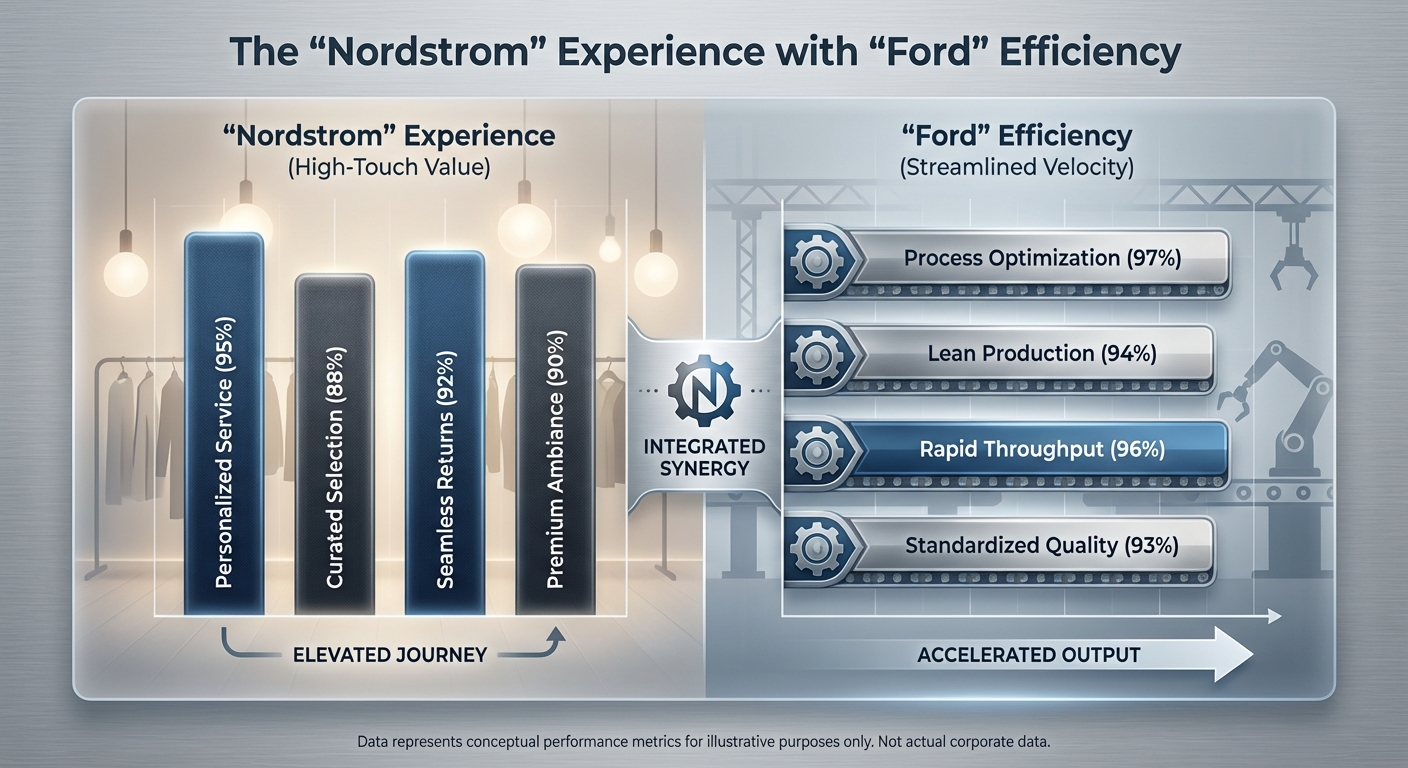
When considering a refinance, many homeowners instinctively walk into the big bank where they have their checking account. However, in 2026, savvy borrowers are turning to local mortgage brokers like RCG Mortgage. Here is why “Brokers Do it Better… and RCG Does it Best.”
The “Nordstrom” Experience with “Ford” Efficiency
Choice and Flexibility
Big banks can only offer their own proprietary products. If you don’t fit their specific “box,” you are out of luck. As an independent broker, Andrew Russell and the RCG team have access to dozens of wholesale lenders. We shop the market on your behalf to find:
- The lowest possible interest rates.
- Flexible underwriting guidelines (Non-QM loans, Bank Statement loans).
- Lower closing costs.
Local Expertise
Real estate is local. We understand the Hauppauge and Long Island market intricacies—from property tax nuances in Suffolk County to local appraisal trends. Our office is conveniently located at 490 Wheeler Rd Suite 252, Hauppauge, NY 11788. We are your neighbors, and we are invested in the financial health of our community.
Steps to Consolidate Debt with RCG Mortgage
Ready to take control of your financial future? Here is what the process looks like when you work with us:
- Initial Consultation: Contact us at (516) 246-6353. We will discuss your goals, current debts, and property value.
- Data Analysis: We analyze your credit and equity position to determine if a Cash-Out Refinance or another product is best for you.
- Shopping the Market: We compare rates from multiple lenders to ensure you get the best deal.
- Easy Application: We utilize modern technology to make the application process simple and paperless where possible.
- Closing: We guide you through underwriting to the closing table. Upon funding, your high-interest debts are paid off directly, or you receive the cash to pay them.
Important Considerations for 2026
- Don’t Run the Balances Back Up: The most important rule of debt consolidation is to avoid incurring new debt on the credit cards you just paid off.
- Closing Costs: Refinancing involves closing costs. We will help you calculate the “break-even point” to ensure the monthly savings justify the costs.
- Loan Term: Extending short-term debt over 30 years reduces the monthly payment but can increase total interest paid over the life of the loan. However, you can mitigate this by making extra principal payments with the money you save each month.
Frequently Asked Questions (FAQs)
1. How much equity do I need to qualify for a cash-out refinance?
Typically, lenders require you to maintain at least 20% equity in your home after the cash-out. This means you can usually borrow up to 80% of your home’s current appraised value. For veterans, VA loans may allow for up to 100% cash-out refinancing in certain scenarios.
2. Will refinancing to pay off debt hurt my credit score?
Initially, there may be a small dip due to the hard inquiry and the new loan opening. However, because you are paying off high-utilization revolving debt (credit cards), most clients see a significant increase in their credit score shortly after the process is complete, as their credit utilization ratio drops dramatically.
3. Can I do a cash-out refinance if I have bad credit?
Yes, it is often possible. Because the loan is secured by your home, lenders are more lenient than they are with unsecured personal loans. FHA cash-out loans, for example, have more flexible credit requirements. As a broker, RCG Mortgage can access lenders who specialize in helping borrowers with less-than-perfect credit.
4. How long does the process take?
In 2026, the timeline for a refinance is typically between 30 to 45 days. However, at RCG Mortgage, our “Ford assembly line” efficiency often allows us to close faster than the industry average, depending on how quickly we receive documentation and appraisals.
5. Is interest on a cash-out refinance tax-deductible?
Under current tax laws, the interest on the portion of the mortgage debt used to buy, build, or substantially improve your home is generally deductible. Interest on the “cash-out” portion used to pay off credit cards may not be deductible. We strongly recommend consulting with a qualified tax professional to understand your specific situation.
Take the First Step Toward Financial Freedom
2026 is the year to stop letting high-interest debt control your life. Your home has worked hard to gain value; now let that value work for you. Whether you are looking to lower your monthly payments, improve your credit score, or simply simplify your finances, Andrew Russell and the award-winning team at RCG Mortgage are here to help.
We have been named NAMB Mortgage Broker of the Year multiple years running for a reason: we put our clients first. Let us provide you with a no-obligation quote and a detailed analysis of how much you could save.
Ready to Lower Your Payments?
Contact RCG Mortgage today to speak with a Hauppauge loan expert.
Phone: (516) 246-6353
Email: andrew@rcgmortgage.com
Address: 490 Wheeler Rd Suite 252, Hauppauge, NY 11788
Website: www.rcgmortgage.com

Related Posts